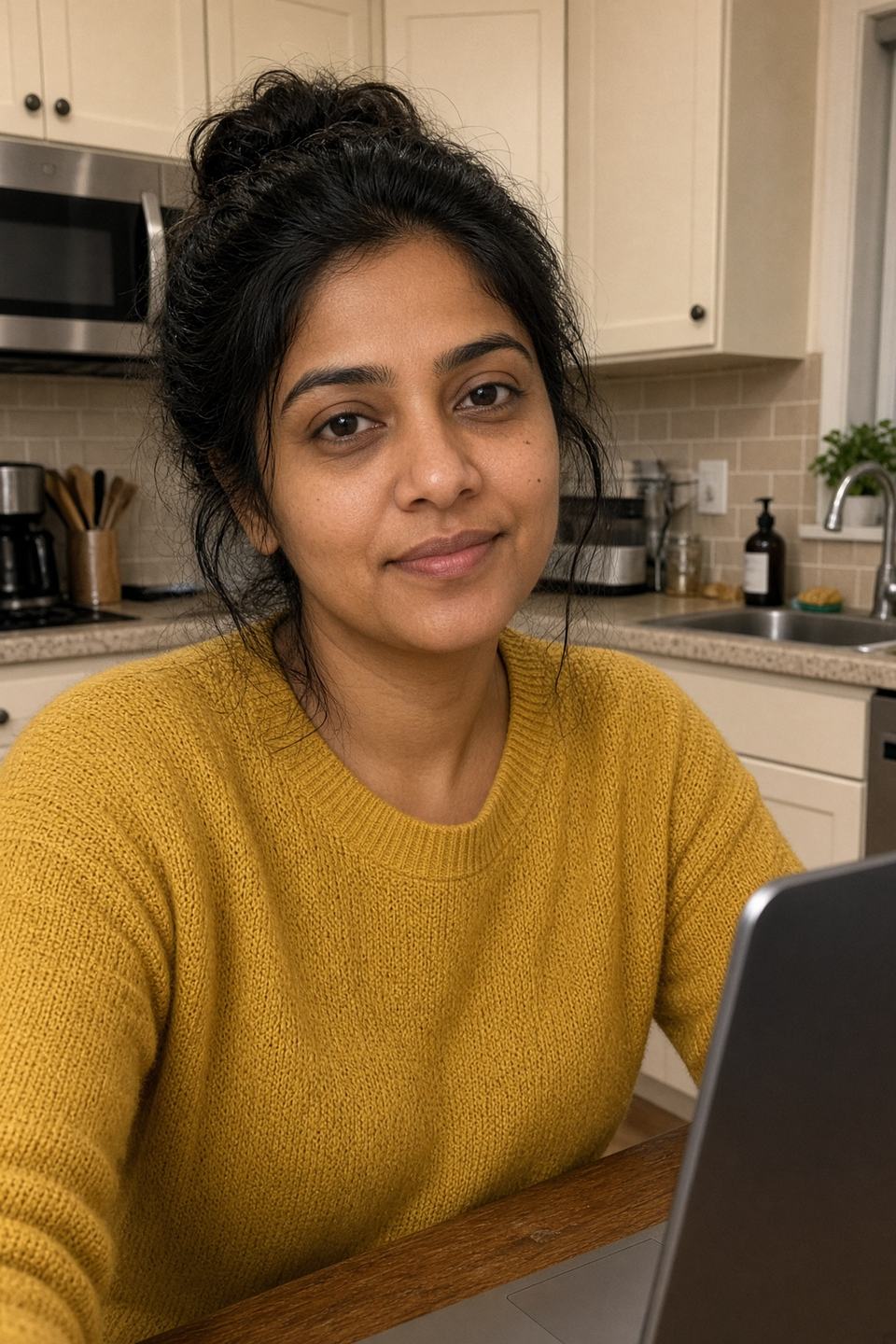
Last updated: September 2026. Magic Studio is the AI headshot generator formerly known as InstaHeadshots. This guide covers what changed after the rebrand, how the LinkedIn headshot workflow actually works, what it costs in 2026, and how to save with the exclusive coupon code AFFINCO10.
Create your LinkedIn headshots on Magic Studio → — use code AFFINCO10 at checkout for an extra 10% off.
Quick Verdict: Is Magic Studio Worth It for LinkedIn Headshots?
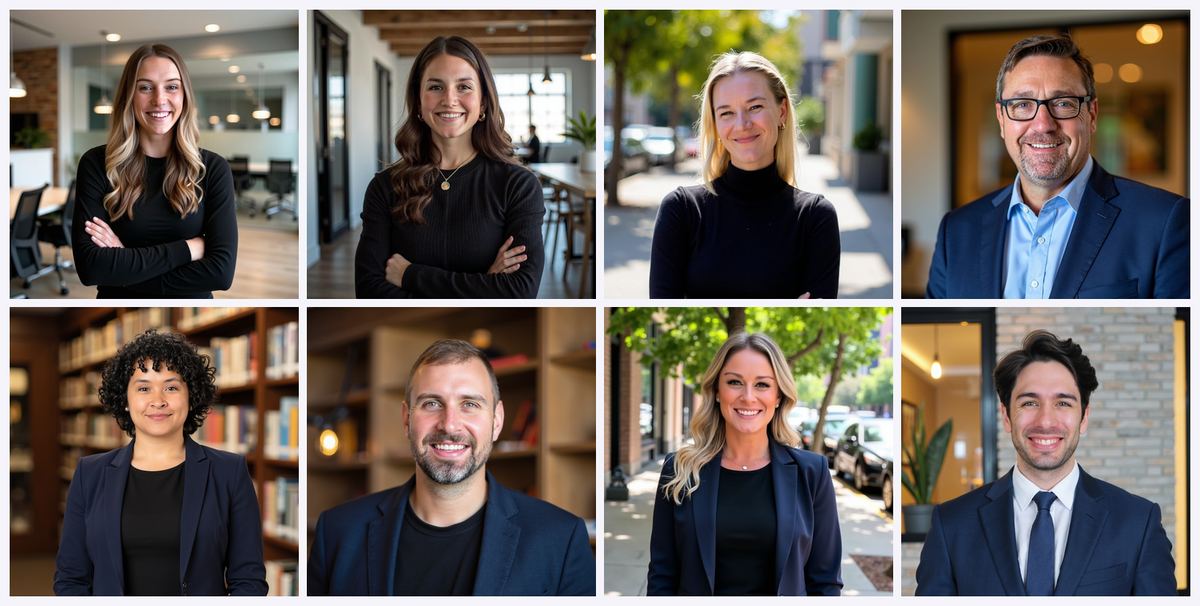
Yes — Magic Studio is currently one of the strongest AI LinkedIn photo generators available, mainly because you see all 50 of your headshots before you pay a cent. You upload roughly ten ordinary selfies, the platform trains a personal AI model on your face, and about fifteen minutes later you get a full set of watermarked previews. If none of them look like you, you walk away without paying. That single design decision removes most of the risk that makes people hesitate over AI headshots.
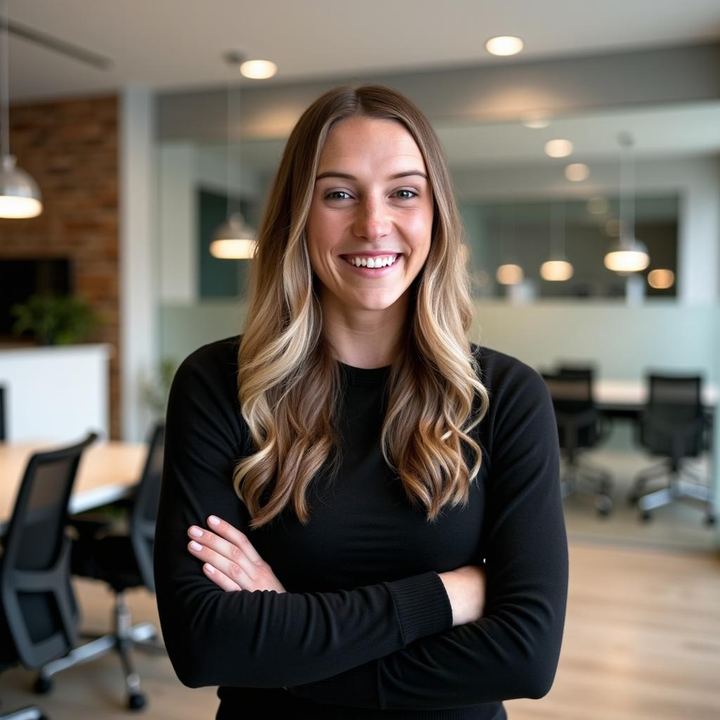
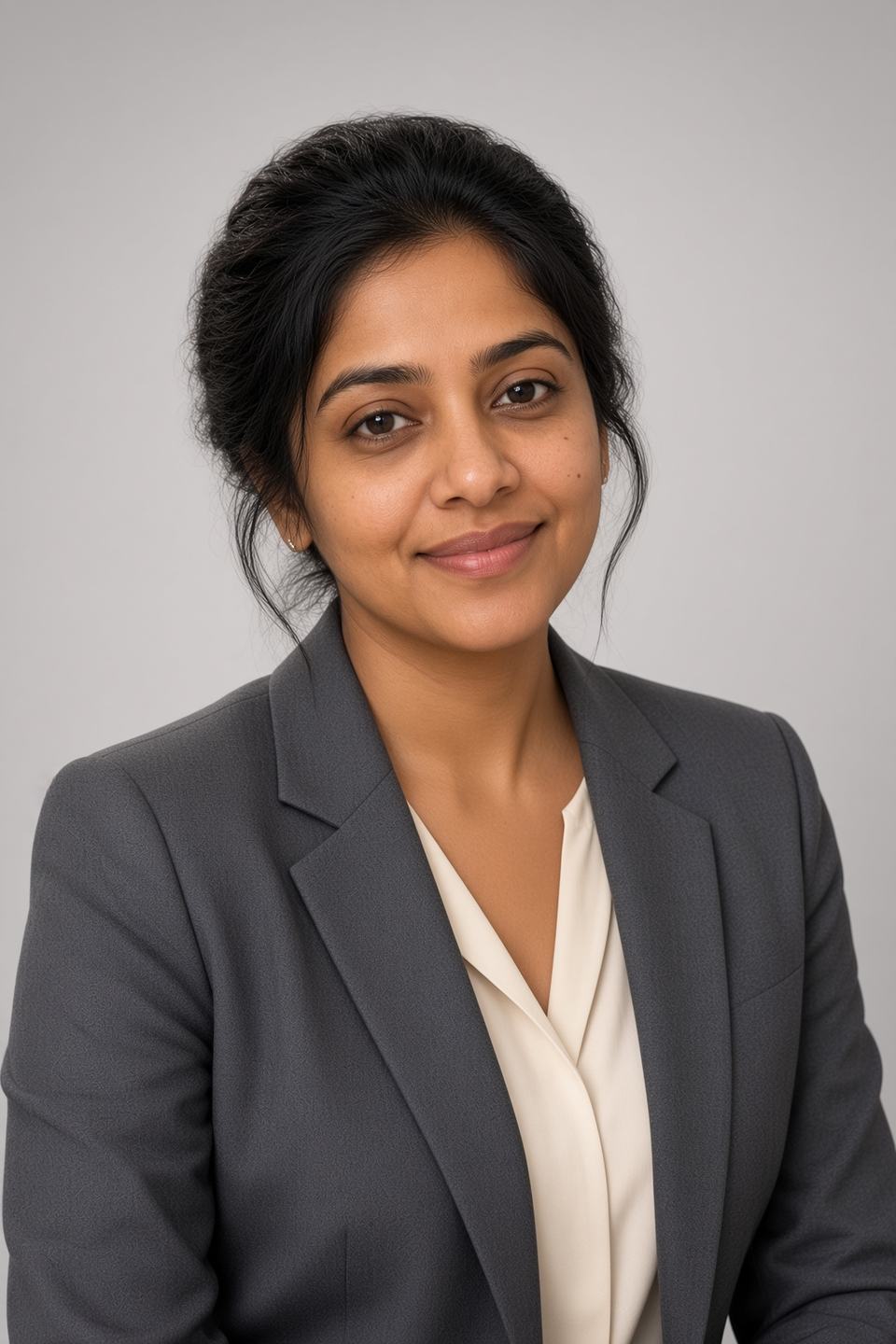
 An official Magic Studio example — the kind of frame that belongs on a LinkedIn profile.
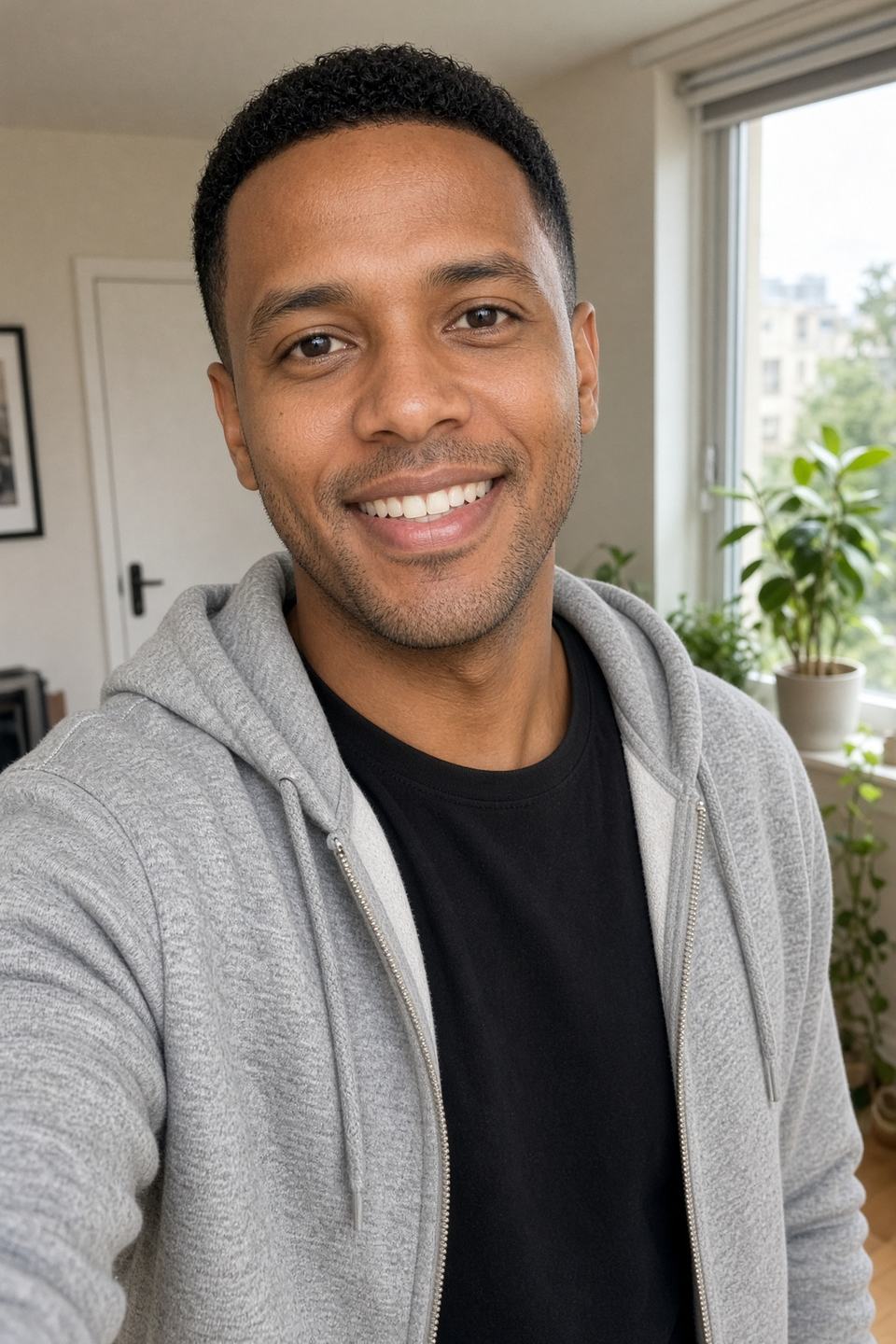
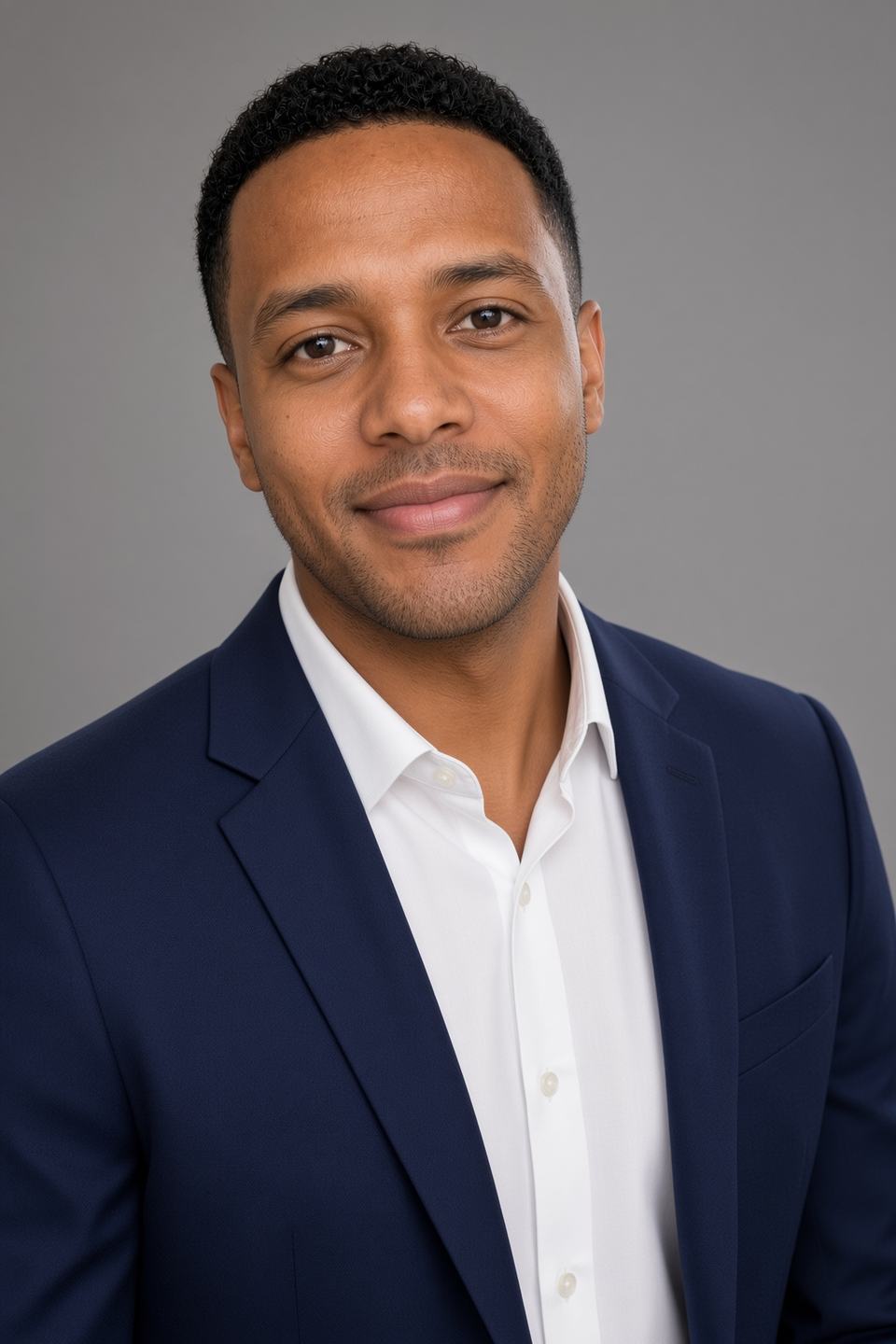
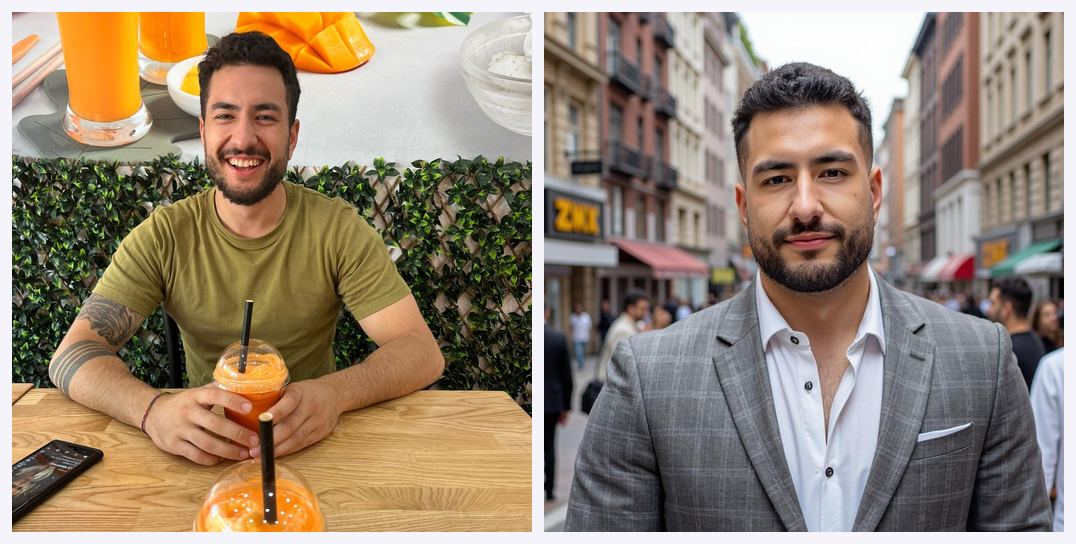 Left: a casual source photo. Right: a LinkedIn-ready result from the same person.
Here is the short version, in plain terms:
- Best for: job seekers, consultants, founders, sales professionals, and remote teams who need a credible LinkedIn profile photo without booking a studio.
- Turnaround: most sets are ready in around 15 minutes, though busy periods run longer.
- Photos you get: 50 AI headshots across roughly 5 looks, drawn from 40+ professional style options.
- Entry price: starts at $59 USD on the headshots page, with Starter, Standard, and Premium packs. Prices vary by region.
- Resolution: 1024 × 1024 px on standard packs; 4096 × 4096 px at 300 DPI on Premium.
- Rights: full commercial rights, no watermark on paid downloads, no attribution required.
- Track record: the company states 36 million+ headshots delivered and 421,000+ customers, with a 5/5 Trustpilot rating across 16,436 reviews and 4.9 on Google.
- Free option: a genuinely free, no-signup headshot tool for casual use, plus the free 50-photo preview on the paid flow.
- The catch: results depend heavily on your input selfies, and refund policy wording differs between two pages on the site — read it before you buy.
Verdict in one line: if you want a professional LinkedIn headshot without a $250 studio session, Magic Studio is a low-risk place to start — and AFFINCO10 takes 10% off whichever pack you choose.
Claim the AFFINCO10 discount and start free →
Magic Studio Coupon Code AFFINCO10: How to Claim Your Discount
Let's deal with the money first, because that is probably why you are here.
AFFINCO10 is an exclusive discount code that takes 10% off your Magic Studio headshot pack. It applies at checkout, after you have already seen your 50 generated previews — so you are never discounting something you have not looked at yet.
How to apply the AFFINCO10 coupon step by step
- Open the offer page using this link: instaheadshots.com. Going through this link makes sure the discount is tracked to your session.
- Click Create your photos and upload your selfies. No card is required at this stage.
- Wait for your AI model to train and your 50 preview headshots to generate — typically about 15 minutes.
- Review the full set. Pick your favourites.
- Choose a pack: Starter, Standard, or Premium.
- On the payment screen, find the promo or discount code field and enter AFFINCO10.
- Confirm the total has dropped before you complete payment.
What the AFFINCO10 coupon works on
- Individual headshot packs — Starter, Standard, and Premium.
- Higher tiers, where the percentage saving is worth more in absolute dollars. Ten per cent off Premium saves more than ten per cent off Starter.
- First-time purchases, which is what most readers of this guide are making.
Coupon mistakes that cost people money
- Applying it after payment. Once the charge goes through, the code cannot be added retroactively. Enter it before you confirm.
- Opening the site in a different browser or a private window mid-flow. Start and finish in the same session.
- Assuming it stacks with a site-wide sale. Most platforms allow one code per order. If a seasonal promotion is already applied and it beats 10%, take the bigger discount.
- Typing it wrong. It is one word, no spaces, no hyphen: AFFINCO10.
💰 Use AFFINCO10 now → — the free preview costs nothing, so there is no downside to seeing your headshots first.
What Is Magic Studio? The InstaHeadshots Rebrand Explained
Magic Studio is an AI photo platform that builds a personal AI model of your face from everyday photos, then generates new, realistic images of you — professional headshots first, plus social and dating photo collections. It describes itself as "your personal AI photographer."
If you searched for InstaHeadshots and landed somewhere unexpected, here is why.
InstaHeadshots is now Magic Studio
The company has confirmed this directly in its own FAQ: InstaHeadshots is now Magic Studio, and the headshot service lives at magicstudio.com/headshots. It is described as the same product and account experience under a new name. Existing customers log in at app.magicstudio.com using the same email and sign-in method they originally used, and can download previously generated photos from their gallery.
This matters for anyone comparing reviews online. A large number of "InstaHeadshots review" articles still describe the old branding, old URLs, and in some cases old pricing. The underlying service is the same lineage — the same team, the same headshot engine — but the product has been repositioned from a single-purpose headshot tool into a broader personal AI photography platform.
What happened to the original Magic Studio editing tools
There is a second source of confusion worth clearing up. Before the rebrand, "Magic Studio" was the name of a suite of free browser-based AI image tools — background remover, Magic Eraser, image upscaler, background blur, AI image generator, HEIC to JPG and WEBP to PNG converters.
Those tools still exist. The original photo editor now sits at magicstudio.com/photo-editor, and the other utilities remain at their existing URLs. Accounts for those tools are separate from accounts that originated with InstaHeadshots. So if you have used the free Magic Eraser in the past, that login will not automatically be your headshot account.
The company behind it
The headshot service is operated by aarzoo, Inc. Public-facing claims on the LinkedIn headshots page include 36 million professional headshots created, 421,000 happy professionals, and a customer logo wall featuring large employers and universities. As with any vendor-published figure, treat these as company-stated rather than independently audited.
📸 See what Magic Studio generates from your own selfies → (free preview, code AFFINCO10 for 10% off if you buy)
Why Your LinkedIn Profile Photo Matters More in 2026
Before the tool review, it is worth being clear on why this is worth doing at all.
The engagement numbers
LinkedIn's own data is the most cited evidence here: profiles with a photo receive up to 21 times more profile views and roughly 9 times more connection requests than profiles without one. Magic Studio's LinkedIn headshots page cites the same 21x figure and adds that you are 36 times more likely to receive a message when your profile includes a headshot.
Those numbers get quoted so often they have started to sound like marketing noise, so it helps to think about the mechanism rather than the multiplier. A recruiter scanning search results is making dozens of half-second decisions. A missing photo reads as an incomplete or abandoned profile. A blurry cropped wedding photo reads as someone who has not updated their profile in six years. A clean, well-lit headshot reads as someone currently active and worth clicking.
The 56-pixel problem nobody plans for
Here is the detail that ruins more LinkedIn photos than bad lighting: your profile photo renders at around 200 pixels on your actual profile page, but only about 56 pixels in search results, comments, and feed bylines.
At 56 pixels, a half-body shot becomes an unidentifiable smudge. Your face needs to fill roughly 60% of the frame for the image to survive that crop. This is exactly why professional headshot guidance always pushes tight framing — it is not an aesthetic preference, it is a technical constraint of the platform.
AI headshot generators handle this well by default, because they are trained on headshot framing rather than general portraiture. It is one of the quieter advantages of using a purpose-built LinkedIn headshot generator over cropping a photo from a wedding or a conference.
The cost comparison that drives adoption
A traditional professional headshot session in the United States averages somewhere around $232 to $250 for an hour of a photographer's time, before you factor in travel, wardrobe, or a second session because the light was wrong. Every serious AI headshot tool in 2026 does the equivalent job for under $80.
That gap is the entire reason this category exists.
How Magic Studio's AI LinkedIn Photo Generator Works
The workflow is deliberately simple. There are four stages.
Step 1: Upload your photos
You upload at least 10 clear, recent solo photos of yourself. Magic Studio's guidance is specific and worth following exactly:
- Mostly close-ups, plus at least two waist-up shots.
- A mix of outfits, backgrounds, and lighting conditions.
- Face the camera directly in most of them.
- Keep your appearance consistent across the set — the same approximate hair length, the same facial hair, glasses on or off consistently.
You do not need professional photography as input. Ordinary phone selfies work. The variety of the set matters far more than the quality of any single image.
Step 2: The AI learns how you look
The platform trains an individual AI model on your uploaded images. It extracts your facial features, hair, and eyes. Importantly, this is a personal model — the company states your photos are used only to create your model and generate photos of you, and are never used to train general AI models.
Training time depends on the package. Magic Studio quotes anywhere from 2 to 60 minutes depending on tier, with most sets landing around the 15-minute mark.
Step 3: Get 50 watermarked previews free
This is the part that separates Magic Studio from most competitors. You receive 50 generated headshots as watermarked previews before any payment is requested. You are emailed when they are ready, so you do not need to keep the tab open.
The set spans roughly five different looks — varying outfits, backgrounds, poses, and lighting treatments.
If you dislike the entire set, you get one free retry with a completely new batch of uploaded photos. The retry generates a fresh set of 50 and replaces the previous one.
Step 4: Choose a pack and download
Only once you have seen your results do you choose how many to keep and at what resolution. That is where pricing comes in — and where AFFINCO10 goes.
✨ Start your free 50-photo preview →
Magic Studio Pricing in 2026: Starter, Standard, and Premium
Magic Studio's headshot landing page advertises pricing starting at $59 USD for 50 headshots across 5 looks, ready in about 15 minutes. Beyond that headline figure, the platform runs three one-time packs. These are one-time purchases, not subscriptions — an increasingly rare structure in this category.
Prices vary by location, so what you see may differ from the USD figures depending on where you are buying from.
Starter pack
- Download 3 standard-resolution headshots of your choice from the 50.
- Includes 3 editing credits.
- Best for: someone who needs one great LinkedIn photo and two backups, nothing more.
Standard pack
- Unlocks all 50 standard-resolution headshots.
- Includes 3 editing credits.
- Standard resolution is 1024 × 1024 pixels — comfortably above LinkedIn's requirements and fine for websites, profiles, email signatures, and most digital use.
- Best for: most people. Fifty images across five looks gives you a LinkedIn photo, a Slack avatar, a website bio image, a conference badge photo, and a spare set for when you get bored of the first one.
Premium pack
- Unlocks all 50 headshots in 4K — 4096 × 4096 pixels at 300 DPI.
- Includes 50 editing credits.
- Best for: anyone who needs print output — conference banners, printed programmes, press kits, large-format displays — or who plans to do heavy post-generation editing.
How credits actually work
Credits are the part people misunderstand, so here is the breakdown:
- Most individual editing tools cost 1 credit each.
- Magic Eraser uses no credits at all.
- Creating five photos in a new look costs 5 credits.
- Generating five "More like this" photos costs 5 credits.
- Upscaling one photo to 4K costs 5 credits.
- Additional credits can be purchased after you have bought a base pack.
Practical takeaway: Starter and Standard's three credits cover a couple of small fixes, not a redesign. If you know you want to try multiple outfits and backdrops, Premium's 50 credits is the better economic choice — especially with AFFINCO10 applied to the higher price point.
Team and company pricing
Magic Studio for Teams lets an admin invite members by email, generate professional headshots for everyone, and manage progress, payment, and downloads from a single dashboard. Each person gets their own individual headshots while the admin controls access.
The company offers discounts for teams or groups of five or more people, with the discount scaling as the number of profiles increases. For a distributed startup that needs a consistent-looking team page without flying everyone to one city, this is the strongest argument for the platform.
What you pay with AFFINCO10
Ten per cent is ten per cent, but where it lands matters:
- On the entry tier, it is a modest saving that mostly offsets tax.
- On Standard, it roughly covers the difference between two competing tools.
- On Premium, it is the largest absolute saving — and Premium is where the value sits if you want 4K and real editing headroom.
Since the preview is free and unconditional, the rational sequence is: generate first, decide second, discount third.
🏷️ Generate free, then apply AFFINCO10 →
Features That Matter for a Professional LinkedIn Headshot
Plenty of AI headshot tools generate images. Fewer let you fix them afterwards. This is where Magic Studio has pulled ahead in 2026.
40+ professional styles and backgrounds
The LinkedIn headshots page offers 40+ professional styles designed for the platform, with three explicitly recommended for LinkedIn:
- Grey — the safest, most neutral option. Works in any industry.
- Office — an environmental background that reads as "at work" without being distracting.
- Black — higher contrast, more editorial, good for consultants and executives.
Solid-colour backgrounds are also available in black, grey, and blue. The general guidance the platform gives is sound: neutral or office-style backgrounds keep the focus on you, and busy backdrops fight with the circular crop.
Post-generation editing
After you purchase a pack, editing unlocks. You can open any photo and change:
- Outfit
- Backdrop
- Hairstyle and hair colour
- Glasses
- Facial expression
- Eye colour and gaze direction
- Wrinkle reduction
- Jewellery removal
That list is unusually deep for an AI headshot product. The gaze-direction control in particular is a real differentiator — a headshot where your eyes are looking slightly off-camera is the single most common reason a generated image feels subtly wrong.
Magic Edit and Magic Eraser
Two additional tools sit alongside the presets:
- Magic Edit lets you describe a change in plain language rather than choosing from a menu. Useful for the specific requests presets do not cover.
- Magic Eraser removes small distractions from an image — and notably, it does not consume credits, so you can use it freely.
4K upscaling
If you bought Starter or Standard and later need print resolution for one particular image, you can upscale individual photos to 4K for 5 credits each rather than repurchasing at Premium tier.
The free retry
Before you pay, you get one complete do-over with a new set of uploaded photos. This is the safety net that makes the whole model work — if your first upload set was too uniform or poorly lit, you learn that at zero cost and try again with better inputs.
🎨 Explore the styles for yourself → — remember to use AFFINCO10.
Free AI LinkedIn Photo Generator: What You Actually Get for $0
There are two separate free offerings, and people confuse them constantly.
The 100% free AI headshot generator
Magic Studio runs a completely free headshot tool with no signup, no credit card, and no usage limit. You upload one photo, pick from several background options and photo styles, and download a result instantly.
What it is good for:
- Quick social media avatars.
- Testing whether the general aesthetic appeals to you.
- Casual professional use where a polished-but-not-perfect image is fine.
What it is not:
- High resolution. The output is optimised for digital and social use, not print or high-DPI displays.
- Customisable. No advanced editing, no outfit changes, no style library.
- Trained on you. It transforms a single photo rather than building a personal AI model, so likeness accuracy is inherently weaker.
The company is refreshingly direct about this in its own FAQ: the free tool is designed for social media, and for professional-grade results you need the paid packages.
The free 50-photo preview on the paid flow
This is the more valuable free offering, and it is the one most people should use. You get all 50 generated headshots as watermarked previews without paying anything. You only pay to remove watermarks, download, and unlock editing.
For anyone specifically searching for an "AI LinkedIn photo generator free," the honest answer is this: the truly free tool will give you something usable for a casual profile, but a headshot that holds up under recruiter scrutiny at full profile size will come from the paid flow. The free preview lets you verify that before spending.
🆓 Try the free preview — no card required →
LinkedIn Profile Photo Specs: Getting the Export Right
A great headshot uploaded at the wrong specification still looks bad. Here are the current numbers.
Dimensions and file requirements
- Recommended size: 400 × 400 pixels, 1:1 square.
- Minimum accepted: 200 × 200 pixels — below this LinkedIn will upscale and blur.
- Maximum accepted: 7680 × 4320 pixels.
- Maximum file size: 8 MB.
- Supported formats: JPG, PNG, and GIF.
- Display shape: always a circle, regardless of what you upload.
The practical export advice
- Upload larger than 400 × 400. Somewhere between 800 × 800 and 1000 × 1000 gives LinkedIn a better source to downsample from and keeps your photo sharp on high-DPI screens where the avatar renders at 2x. Magic Studio's standard 1024 × 1024 output sits neatly in this range.
- Consider PNG over JPG. LinkedIn re-compresses every upload server-side, and PNG holds edges better — particularly along the hairline against a contrasting background.
- Design for the circle. Keep your face centred and allow margin at the corners, because the corners get cut off entirely.
- Frame for 56 pixels, not 200. If your face does not fill roughly 60% of the frame, crop tighter before uploading.
Magic Studio's own guidance notes that LinkedIn recommends 400 × 400 while the platform delivers 1024 × 1024, which you can resize down as needed. In practice you should upload the larger file and let LinkedIn handle the downscaling.
AI Headshots and Disclosure: LinkedIn's Rules and the "CR" Badge in 2026
This is the section most AI headshot reviews skip, and in 2026 it is the section that matters most.
LinkedIn's likeness rule
LinkedIn permits AI-enhanced profile photos, provided the result still reflects your actual likeness. In a February 2026 statement to CBS News, a LinkedIn spokesperson confirmed that AI enhancement is allowed as long as the image still looks like you.
The corollary is the important bit: fully synthetic images that do not resemble you violate LinkedIn's requirement that a profile photo reflect your likeness, and can be removed. LinkedIn also removes profile photos that are only a logo, an emoji, a landscape, an animal, text, a flag, a baby photo, or someone else's image.
The practical risk is less about enforcement and more about reputation. If a recruiter meets you in person and you look meaningfully different from your profile photo, that is a bad first thirty seconds. Choose the generated headshots that look most like you on an average Tuesday, not the ones that look most like a magazine cover. This is genuinely the most useful advice in this entire article.
The "CR" Content Credentials badge
Since May 2024, LinkedIn has displayed C2PA Content Credentials on images that carry them — a small "CR" icon in the corner that opens a panel showing provenance information such as the tool used, the issuer, and recorded AI involvement.
A few things worth understanding:
- The badge is triggered by metadata in the file, not by LinkedIn analysing your pixels. LinkedIn reads a signed C2PA manifest that the image already carried at upload.
- LinkedIn is currently the only major social network that displays these provenance records to viewers. Other platforms read the metadata and then either discard it or show their own simpler AI label.
- Absence of a badge does not prove human authorship. Many AI tools do not sign C2PA at all, and metadata can be stripped.
Whether your Magic Studio headshot carries a CR badge depends on the signing behaviour of the underlying pipeline at the time you generate. If you want to check, free in-browser C2PA inspectors will read the manifest without uploading your file anywhere.
The EU AI Act angle
If you are in the EU or your profile is primarily seen by EU audiences, note that Article 50 of the EU AI Act carries an enforcement window from 2 August 2026 covering transparency obligations around synthetic media marking. This is a fast-moving regulatory area, and the specific obligations that apply to an individual updating their own profile photo differ from those that apply to providers and deployers of AI systems.
The straightforward, defensible position for a professional: use AI headshots that genuinely look like you, and do not strip provenance metadata to hide how the image was made.
How to Get Better AI Headshots for LinkedIn: The Upload Checklist
Input quality is the single biggest lever on output quality across every tool in this category. Magic Studio is no exception. Follow this and your results improve dramatically.
Choosing your source photos
- Use 10 to 15 photos, not the bare minimum. More varied data produces a better model.
- Vary the lighting. Include indoor, outdoor, window light, and overhead light. Uniform lighting across all inputs produces flat, samey outputs.
- Vary the background. Different rooms, different walls, different outdoor settings.
- Vary the outfit. Do not upload ten photos in the same shirt.
- Include at least two waist-up shots alongside the close-ups, as the platform specifically requests.
- Face the camera directly in the majority of them.
- Use recent photos. Photos from three years and two haircuts ago will produce a model of a person who no longer exists.
- Use the rear camera on your phone where possible — the sensor is better than the front-facing one.
What to avoid
- Group photos. Solo shots only. Other faces confuse the model.
- Heavy filters. Beauty filters bake distortion into the training data.
- Sunglasses, hats, or anything obscuring your face.
- Blurry or low-light photos.
- Inconsistent appearance. If you wear glasses in half the photos and not the other half, the model will be uncertain about glasses. Pick one.
- Extreme angles. Photos taken from far below or far above skew the facial geometry.
What to wear
Magic Studio's own guidance mirrors standard headshot advice, and it holds up:
- Dress for your industry, one notch above your daily norm.
- Solid colours over patterns. Patterns behave unpredictably in AI generation and compete with the circular crop.
- Avoid logos.
- Well-fitted, clean clothing.
- Minimal accessories.
Posing guidance that transfers to your inputs
Even though the AI generates the final pose, the way you appear in your source photos influences the output. Stand straight, angle your body slightly rather than squaring up to the camera, relax your shoulders, and go for a genuine smile rather than a held one. Lowering your chin very slightly produces a more flattering jawline.
📋 Ready? Upload your selfies now → — code AFFINCO10 for 10% off.
Who Magic Studio Is Best For: Real Use Cases
Job seekers
If you are actively applying, your LinkedIn photo is doing work in the background whether or not you think about it. Recruiters search, scan, and click. A current, professional headshot is the cheapest credibility signal available to you. Fifty images also means you have a matching photo for your résumé, your portfolio site, and your application profiles — visual consistency across touchpoints reads as organised.
Consultants, freelancers, and founders
You are the product. Your headshot appears on your website, your proposals, your invoices, your pitch deck, and your email signature. Magic Studio's use-case list explicitly covers website portraits, email signatures, conference badges, speaker profiles, podcast appearances, and award nominations — all situations where a mismatched or missing photo undermines the pitch.
Sales and business development
Your photo appears next to every connection request you send. A cold outreach message from a profile with a real headshot performs differently to one from a default grey avatar. If you send volume, this is a rounding-error investment.
Distributed teams
This is the strongest institutional use case. Getting 30 remote employees photographed consistently is a logistical nightmare and an expensive one. Magic Studio for Teams handles invitations, generation, and downloads from one admin dashboard, with volume discounts kicking in at five profiles. On-brand team pages without coordinating anyone's calendar.
Regulated and specialist professions
Magic Studio maintains dedicated pages for doctors, lawyers, realtors, executives, CEOs, corporate teams, and women's headshots, plus a free ERAS photo checker for medical residency applicants. The industry-specific pages matter because wardrobe and background conventions genuinely differ — a real estate agent's headshot and a litigator's headshot are not interchangeable.
Magic Studio vs Other AI Headshot Generators in 2026
The category is crowded. Here is honest positioning.
Where competitors price
Verified 2026 entry pricing across the major alternatives:
- HeadshotPro — from around $29, with team plans and enterprise support.
- Aragon AI — from around $35, the most-reviewed brand in the category, roughly 40 images at entry tier.
- BetterPic — from around $35, with 4K output on every tier.
- The Multiverse AI — around $29 for a high photo count.
- Dreamwave AI — from around $35, frequently praised for photorealism.
- Secta Labs — around $49 with deep post-generation controls.
Magic Studio's advertised entry point of $59 is therefore above the category floor. That is a fair criticism and you should know it going in.
Where Magic Studio wins anyway
- You see everything before you pay. Most competitors take payment upfront and deliver afterwards. This inverts the risk entirely, and it is the strongest single argument for the platform.
- Editing depth. Outfit, backdrop, hairstyle, hair colour, glasses, expression, eye colour, gaze, wrinkles, jewellery, plus natural-language Magic Edit. Few competitors match that surface area.
- Free retry. A complete second attempt at no cost if the first set disappoints.
- Scale and track record. 36 million+ headshots and 421,000+ customers is a meaningful volume signal in a category full of six-month-old startups.
- One-time purchase, not a subscription. Several competitors have moved to monthly billing. Magic Studio has not.
- Genuinely free tier. Not a trial. No signup, no card, no limit.
Versus a traditional photographer
- Cost: roughly $232 to $250 average for a US studio session, against under $80 here.
- Time: 15 minutes versus scheduling, travelling, shooting, and waiting for edits.
- Variety: 50 images across 5 looks versus typically 2 to 5 finished shots.
- Where a photographer still wins: genuine direction, real light on real skin, and an image with no likeness ambiguity whatsoever. If you are a public-facing executive whose photo will run in press coverage, hire a human.
⚖️ Compare it against your own selfies for free →
Pros and Cons of Magic Studio for LinkedIn Headshots
Pros
- Pay only after you see all 50 results — the least risky purchase structure in the category.
- About 15 minutes from upload to preview.
- 50 headshots across 5 looks, from 40+ style options.
- Deep post-generation editing, including gaze direction and expression.
- Magic Eraser costs no credits.
- Full commercial rights, no watermark, no attribution.
- 4K at 300 DPI available on Premium, with per-image upscaling on lower tiers.
- One-time payment, not a subscription.
- Free tool and free preview both genuinely free.
- Team dashboard with volume discounts from five people.
- Strong published ratings — 5/5 on Trustpilot across 16,436 reviews, 4.9 on Google.
Cons
- Entry pricing is above the category floor at $59 versus $29 to $35 elsewhere.
- Results depend heavily on your input photos. Weak uploads produce weak outputs, and this is true of every tool in the category.
- Refund policy wording is inconsistent across the site. The main FAQ states purchases are non-refundable except where required by law, on the reasoning that you review everything before buying. The headshots page describes a satisfaction guarantee with a refund if you do not receive at least four decent headshots and have not downloaded any, contacted within three days. Read the terms that appear at your own checkout, and if it matters to you, email support before purchasing.
- Data retention figures differ between pages — one states automatic deletion 30 days after headshots are created, another states the personal AI model is automatically deleted after 90 days. These may refer to different data types, but the inconsistency is worth flagging.
- Rebrand friction. Older reviews, older URLs, and separate accounts for the legacy editing tools create genuine confusion.
- Starter and Standard include only three credits, which does not go far if you want to experiment.
Real User Feedback and Ratings
Published ratings at the time of writing:
- Trustpilot: 5 out of 5 across 16,436 reviews.
- Google: 4.9.
- 421,000+ stated customers.
- 36 million+ headshots stated as delivered.
Recurring themes in the testimonials the company publishes:
- Speed and simplicity — "quick and easy" appears repeatedly.
- Variety — the range of backgrounds and clothing options is the most praised feature after realism.
- Realism — including specific praise for accurate rendering of curly hair, which is a known weak point across AI image models.
- Cost versus a photographer — one published testimonial describes a previous $300 photographer session compared unfavourably with the AI result.
- Pay-after-preview — reviewers repeatedly cite being charged only after approving a headshot as the reason they were willing to try it.
A note on interpreting this: these are testimonials curated and published by the vendor on its own landing pages. A perfect 5.0 across 16,000+ reviews is unusually high for any consumer product. Read the underlying Trustpilot profile directly if this is a deciding factor for you, and weight recent reviews more heavily than old ones given the rebrand.
Is Magic Studio Safe? Privacy and Data Handling
For a product where you upload a dozen photos of your own face, this deserves scrutiny. The company's stated commitments:
- Your photos are used only to create your personal AI model and generate photos of you. They are stated as never being used to train general AI models or anyone else's.
- An individual AI model is trained per photoshoot, not a shared one.
- You can delete a photo, a set of photos, or your entire account at any time.
- Automatic deletion applies — the platform states data is deleted automatically after the stated retention window.
- No sharing, no selling, no advertising with your data.
- Encryption in transit, with access controlled through a password-less system.
The retention window is where the site's own pages disagree, as noted above. If data retention is a material concern for you — for example if you work in a sensitive profession — email help@magicstudio.com and get the current policy in writing before uploading.
One piece of general advice that applies to every AI headshot tool: do not upload photos that contain other identifiable people, and do not upload anything you would not be comfortable having stored on a third-party server for the stated retention period.
Step by Step: Get Your LinkedIn Headshot Today with AFFINCO10
- Open instaheadshots.com to make sure your discount is tracked.
- Gather 10 to 15 recent solo photos with varied lighting, backgrounds, and outfits. Mostly close-ups, at least two waist-up.
- Upload them and start generation. No payment required.
- Wait roughly 15 minutes. You will be emailed when the set is ready.
- Review all 50 previews. Shortlist the ones that look most like you, not the most flattering ones.
- If the set disappoints, use your free retry with a better-varied upload set.
- Choose your pack — Standard for most people, Premium if you need 4K or plan to edit heavily.
- Enter AFFINCO10 in the discount field and confirm the total has dropped.
- Download, then edit outfit, backdrop, or expression using your credits if needed.
- Export at 800 × 800 or larger, ideally PNG, and upload to LinkedIn.
- Reuse the set across your résumé, website bio, email signature, Slack, and speaker profiles for visual consistency.
Frequently Asked Questions
Is Magic Studio the same as InstaHeadshots?
Yes. InstaHeadshots is now Magic Studio, and the headshot service lives at magicstudio.com/headshots. The company describes it as the same product and account experience under a new name. Existing users log in at app.magicstudio.com with their original email and sign-in method.
What is the AFFINCO10 coupon code?
AFFINCO10 is an exclusive discount code that takes 10% off your Magic Studio headshot pack. Enter it in the promo code field at checkout, after you have reviewed your free previews and selected a pack.
How much do Magic Studio LinkedIn headshots cost?
Pricing starts at $59 USD for 50 headshots across 5 looks. Three packs are available: Starter (3 downloads plus 3 credits), Standard (all 50 at standard resolution plus 3 credits), and Premium (all 50 in 4K at 300 DPI plus 50 credits). These are one-time purchases, not subscriptions, and prices vary by region.
Can I get AI LinkedIn headshots for free?
Partly. Magic Studio runs a completely free AI headshot generator with no signup and no usage limit, though output is optimised for social media rather than professional print use. Separately, the paid flow gives you all 50 generated headshots as watermarked previews at no cost — you only pay to remove watermarks, download, and unlock editing.
How long does it take to get my headshots?
Most sets are ready in around 15 minutes. AI training can take anywhere from 2 to 60 minutes depending on your package, and busy periods run longer. You are emailed when the set is ready, so you do not need to keep the page open.
How many photos do I need to upload?
At least 10 clear, recent solo photos. Include mostly close-ups plus at least two waist-up shots, with a mix of outfits, backgrounds, and lighting. Uploading 10 to 15 varied images produces noticeably better results than uploading the bare minimum.
What resolution are the headshots?
Standard packs deliver 1024 × 1024 pixels, which is suitable for LinkedIn, websites, and most digital use. Premium delivers 4096 × 4096 pixels at 300 DPI. Starter and Standard customers can upscale individual images to 4K for 5 credits each.
Does LinkedIn allow AI-generated profile photos?
LinkedIn permits AI-enhanced profile photos as long as the result still reflects your actual likeness — confirmed in a February 2026 statement to CBS News. Fully synthetic images that do not look like you breach LinkedIn's likeness requirement and can be removed. Choose the generated headshots that most closely resemble how you actually look.
What is the "CR" badge on LinkedIn images?
The CR icon indicates C2PA Content Credentials — signed provenance metadata embedded in the image file. LinkedIn has displayed these since May 2024 and is currently the only major social network that shows the full provenance panel to viewers. The badge reflects metadata the file carried at upload, not an analysis of the image itself.
What size should my LinkedIn profile photo be?
LinkedIn recommends 400 × 400 pixels in a 1:1 square, accepts a minimum of 200 × 200 and a maximum of 7680 × 4320, and caps file size at 8 MB in JPG, PNG, or GIF. For sharpness on high-DPI screens, upload at 800 × 800 or larger. Magic Studio's 1024 × 1024 standard output works well without resizing.
Do I own the headshots and can I use them commercially?
Yes. You have full rights to use purchased photos for personal or commercial purposes — websites, LinkedIn, résumés, advertisements, business cards, and printed materials. Paid downloads carry no watermark and require no attribution.
What if I do not like my headshots?
Before paying, you can retry once for free using a new set of uploaded photos, which generates a completely new set of 50 and replaces the previous one. Because you review the entire set before purchasing, the main FAQ states payments are non-refundable except where required by law. The headshots page describes a satisfaction guarantee with different terms, so check the policy shown at your own checkout.
Can I edit my headshots after they are generated?
Yes, once you have purchased a pack. You can change outfit, backdrop, hairstyle, hair colour, glasses, expression, eye colour, and gaze direction, reduce wrinkles, and remove jewellery. Magic Edit lets you describe changes in your own words, and Magic Eraser removes small distractions without using credits.
Does Magic Studio offer team or company headshots?
Yes. Magic Studio for Teams lets an admin invite members by email, generate headshots for everyone, and manage progress, payment, and downloads from one dashboard. Discounts apply for groups of five or more, scaling with the number of profiles.
Is my data safe?
The company states your photos are used only to create your personal AI model, are never used to train general AI models, and are never shared or sold. Data is encrypted in transit and deleted automatically after the stated retention window, and you can delete photos or your entire account at any time. Note that different pages on the site quote different retention periods, so confirm with support if this is critical for you.
What should I wear for a LinkedIn headshot?
Dress for your industry, one notch above your daily norm. Choose solid colours over patterns, avoid logos, and keep clothing clean and well-fitted. Minimal accessories and good grooming read as professional without distracting from your face.
How often should I update my LinkedIn headshot?
Update after any meaningful change in appearance, after a significant role change, or roughly every two to three years. An outdated photo undermines the credibility a good headshot is supposed to build.
Final Verdict: Should You Use Magic Studio for Your LinkedIn Headshot?
Buy it if: you need a credible professional LinkedIn headshot this week, you do not want to book a photographer, and you value seeing every result before paying. The pay-after-preview model, the free retry, and the depth of post-generation editing make this one of the lowest-risk purchases in a category that is otherwise full of pay-first gambles. For distributed teams needing consistent headshots without coordinating calendars, it is close to the obvious choice.
Skip it if: your budget is genuinely tight and $29 to $35 alternatives will do, you need a photo with zero AI involvement for a role where that matters, or you are a public-facing executive whose image will appear in press coverage — in which case hire a human photographer.
The honest framing: Magic Studio is not the cheapest AI headshot generator in 2026, and pretending otherwise would be dishonest. What it offers instead is the least risky version of the transaction — you look at all 50 images, you decide, and only then does money change hands. For most people updating a LinkedIn profile photo, that trade is worth the premium.
Two final pieces of advice, and they matter more than anything else in this guide:
- Spend real effort on your upload set. Ten to fifteen varied, recent, well-lit solo photos will beat any amount of tool-switching. Input quality is the whole game.
- Pick the headshot that looks like you, not the one that looks best. LinkedIn's likeness rule aside, the point of a profile photo is that people recognise you when they meet you.
The preview costs nothing, so there is no reason not to see what your own face produces.
🎯 Generate your LinkedIn headshots free, then save 10% with AFFINCO10 →
Disclosure: this article contains affiliate links. If you purchase through them, we may earn a commission at no additional cost to you — and you save 10% with code AFFINCO10. Pricing, features, and policies were verified against Magic Studio's live pages in September 2026 and may change. Always confirm current terms at checkout.