


Last updated: September 2026 · Independent hands-on guide · Contains affiliate links
Quick Verdict
Magic Studio is one of the few AI photo platforms where the free tools are genuinely usable on their own — and where the paid product (AI headshots) is priced like a one-time purchase instead of a subscription trap.
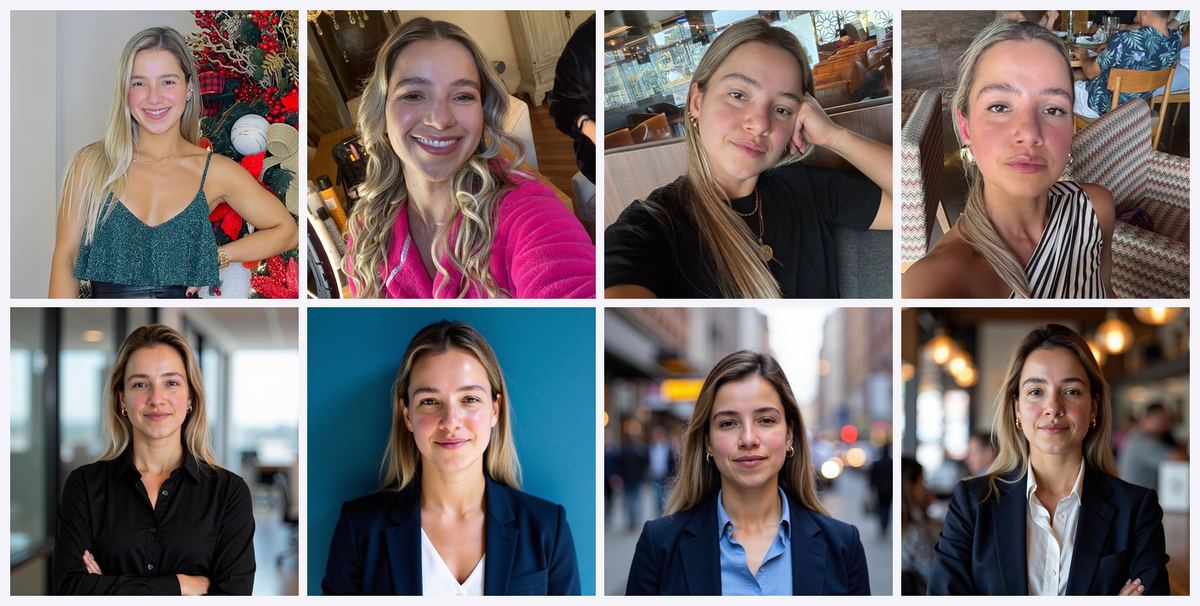
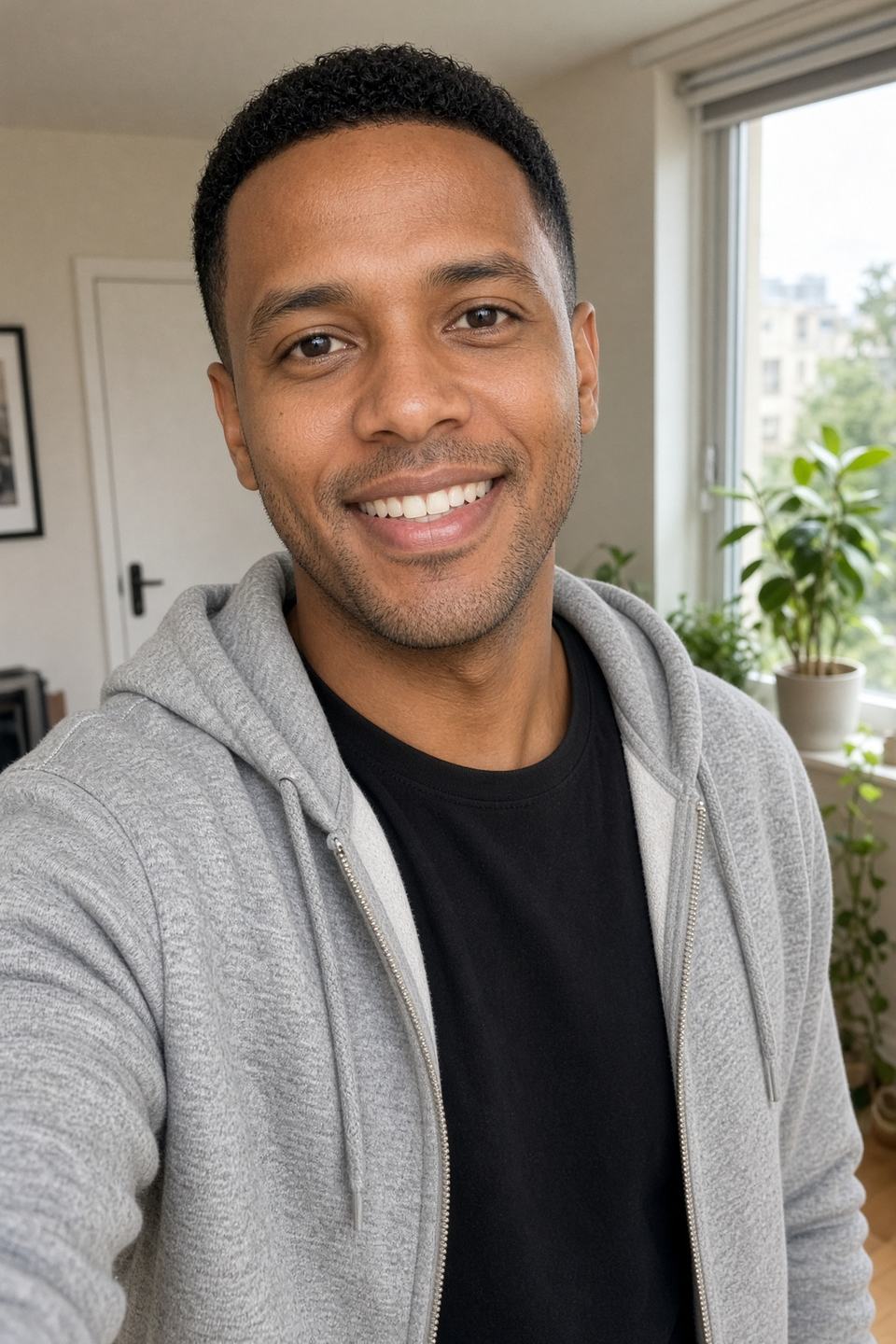
 Headshots plus looks across professional, social and lifestyle collections from the same personal AI model.
If you only remember three things from this guide, remember these:
- The Magic Studio Magic Eraser, Background Remover, Background Blur and AI Art Generator are free to use with no signup. You can open any of them in a browser, upload a photo, get a result, and download it without creating an account. That is unusual in a category where almost every competitor gates the download behind an email capture.
- Magic Studio is now the same company and product as InstaHeadshots. InstaHeadshots officially rebranded to Magic Studio, and the AI headshot service now lives inside the Magic Studio ecosystem. Same product, same accounts, new name — which means the headshot buyer and the free-tools user are now in one place.
- The paid headshot packs start at $59 for 50 headshots across 5 looks, delivered in about 15 minutes — and you can knock 10% off with the coupon code AFFINCO10. You also preview all 50 photos before you pay a cent.
Who it's best for: LinkedIn-focused professionals, freelancers, realtors, ecommerce sellers, small marketing teams, and anyone who wants a "good enough for 95% of jobs" photo editor without learning Photoshop.
Who should skip it: Retouchers who need layer-level control, RAW workflows, or colour-managed print pipelines. Magic Studio is a speed tool, not a replacement for Capture One.
Rating: 4.6 / 5 — outstanding free tier, excellent speed, strong privacy posture, one-time headshot pricing. Loses points for a free tier that watermarks downloads and for pricing that isn't published as clearly as it should be.
Your Coupon: AFFINCO10
Save 10% on any Magic Studio / InstaHeadshots paid photo pack. Apply the code at checkout after you've previewed your headshots. ** Claim your 10% discount with AFFINCO10 →**
Why This Guide Exists (And Why It Isn't Another Headshot Review)
Most people arrive at Magic Studio through one door: they want AI headshots. They Google "AI headshot generator," they land on a comparison post, they buy a pack, they download 50 photos, and they leave.
That's a shame, because they're walking past the rest of the building.
Magic Studio built its reputation on a set of free, no-login web tools long before the headshot product became the headline act. Those tools — Magic Studio Magic Eraser, Magic Studio Background Remover, Magic Studio Background Blur, the AI Art Generator, the AI Image Generator, and the Image Upscaler — are still live, still free, and still quietly doing millions of edits a month.
Search interest tells the same story. Brand-modifier queries like magic studio magic eraser, magic studio eraser, magic studio background remover and magic studio background blur have been climbing hard year over year, with some of them up more than 1,000% YoY. People aren't just searching for "AI headshots" anymore. They're searching for the tools by name.
This guide covers all of it: what each tool actually does in 2026, how to use it properly, where the free tier stops and PRO begins, how the tools connect to the headshot product, and how to stack the AFFINCO10 coupon so you pay the least possible for the paid side.
** Want to skip the reading and just get started? Create your photos free at Magic Studio and apply AFFINCO10 at checkout →**
What Is Magic Studio? (2026 Definition)
Magic Studio is an AI photo platform operated by aarzoo, Inc. that combines a suite of free, browser-based image editing tools with a paid personal AI photo service that generates professional headshots and portraits from a handful of everyday selfies.
The platform now describes itself as "your personal AI photographer." The core promise: upload a set of ordinary photos once, the AI builds a personal model of how you look, and from then on it can generate new photos of you on demand — headshots, social photos, dating photos, different outfits, different hairstyles — in seconds.
Around that sits the free tool suite that most people find through search:
- Magic Eraser — remove objects, people, text, blemishes and distractions from any photo
- Background Remover — cut out the subject automatically and swap in a solid colour or transparency
- Background Blur — apply a depth-of-field / bokeh effect with an adjustable intensity slider
- AI Art Generator — turn a text prompt into artwork, illustrations and stylised visuals
- AI Image Generator — text-to-image for photographic and realistic outputs
- Image Upscaler — enlarge images up to 4K without visible quality loss
- HEIC to JPG Converter — convert iPhone photos to a universally readable format
- WEBP to PNG Converter — convert web-optimised files back to lossless PNG
There are also native iOS and Android apps, so the same editing tools travel with you on a phone.
The Big 2026 Change: InstaHeadshots Is Now Magic Studio
This is the single most important update for anyone researching the brand this year, and it trips up a lot of outdated reviews.
InstaHeadshots has been folded into Magic Studio. The company confirms it directly in its own FAQ: InstaHeadshots is now Magic Studio, the headshot service lives at magicstudio.com/headshots, and it's the same product and account experience under a new name. Existing customers log in with the same email and sign-in method they always used.
Practically, this means:
- The AI headshot generator and the free photo tools are now one brand
- Old InstaHeadshots links redirect into the Magic Studio experience
- Coupons and affiliate links issued under the InstaHeadshots name — including AFFINCO10 — still route you to the same checkout
- The original Magic Studio photo editor moved to its own URL (magicstudio.com/photo-editor), and the standalone tools stayed at their existing addresses
If you read a review written before this migration, treat its pricing and plan names with suspicion. The old three-tier "Starter $49 / Basic $59 / Premium $69" structure has been reworked into a preview-first, pack-based model that I'll break down later in this guide.
** See the current packs and apply AFFINCO10 →**
The AFFINCO10 Coupon: What It Is and How to Use It
Let's get the money part out of the way early, because that's probably why you're here.
What AFFINCO10 Gets You
AFFINCO10 is a 10% discount code that applies to Magic Studio's paid photo packs (the former InstaHeadshots plans). It's a straightforward percentage discount — no minimum spend gymnastics, no "spend $200 to save $20" nonsense.
Because the base pack starts at $59 for 50 headshots across 5 looks, a 10% cut takes real money off the top. On higher packs — the ones that unlock all 50 photos in 4K at 300 DPI plus 50 editing credits — the saving scales up with the price.
How to Redeem AFFINCO10 (Step by Step)
- Open Magic Studio through this link: https://headshots.magicstudio.com?utm_source=linkedin_tla&utm_medium=paid-social&utm_campaign=12824157&utm_content=Aliakbar+Haveliwala&fpr=affinco
- Click "Create your photos for free." You do not pay anything at this stage.
- Upload your photos. The platform asks for at least 10 clear, recent solo photos.
- Wait roughly 15 minutes. The AI trains your personal model and generates a set of 50 watermarked preview photos. You'll get an email when they're ready — you don't need to keep the tab open.
- Review all 50 photos. This is the part that makes Magic Studio unusual: you see the complete set before any payment is requested.
- Choose your pack when you decide you want to download without watermarks.
- Enter in the promo/discount field at checkout and confirm the total drops before you pay.
Honest Notes on the Coupon
I'd rather you trust this guide than oversell you, so:
- AFFINCO10 applies to paid packs, not the free tools. The Magic Eraser, Background Remover, Background Blur and AI Art Generator are already free — there's nothing to discount.
- Discount codes generally don't stack with a regional or seasonal promotion that's already been applied. If the checkout is already showing a reduced price, the code may not layer on top.
- Pricing varies by location. Magic Studio states plainly that pack prices differ by region, so the number you see may not match the number a reader in another country sees.
- This is an affiliate link. I earn a commission if you buy through it, at no extra cost to you — and the code genuinely reduces your price, which is the only reason it's worth passing along.
** Apply AFFINCO10 and save 10% on your pack →**
Magic Studio Magic Eraser: The Tool That Started Everything
If you type "magic studio eraser" into Google, this is what you're looking for — and it's the single most-used tool in the suite.
What Is Magic Studio Magic Eraser?
Magic Studio Magic Eraser is a free AI object remover that erases unwanted objects, people, text, blemishes and patterns from photos by brushing over them, then intelligently reconstructing the background behind them. It runs in a browser, requires no signup, and returns edits in seconds.
The technical term for what it's doing is generative inpainting: rather than smudging or cloning nearby pixels the way old-school healing brushes did, the model predicts what should be behind the erased region and paints it in. That's why it can remove a person standing in front of a brick wall and rebuild plausible brickwork, instead of leaving a smeared blur.
How to Use the Magic Studio Magic Eraser
The official workflow is four steps, and it's genuinely that simple:
- Upload. Drag and drop your image, or click to select it. The uploader accepts JPG, PNG, AVIF and WEBP, and Magic Studio's help copy also references HEIC and TIFF support. Notably, there is no resolution limit on the image you upload — you can feed it a full-size camera file.
- Select. Use the brush to paint over the area you want gone. A slider adjusts brush size, and you can zoom in for precision work on small details.
- Erase. Hit erase. The AI fills the region. If the result isn't right, don't panic — re-erase the same area and the model will produce a different, often better, result on the next attempt.
- Download. Save the finished image. Downloads are converted into an appropriate format for the edit you made, and can be output as JPG, JPEG, PNG, HEIC, WEBP or other formats as needed.
Magic Studio's Own Pro Tips (Straight From the Source)
Magic Studio publishes four specific tips on the Magic Eraser page, and having tested them, they're the difference between a clean edit and an obvious one:
- Tip 1 — Always brush over the shadow too. If you erase a person but leave their shadow, the AI has to invent geometry that contradicts the lighting, and the result looks wrong. Cover object and shadow in the same stroke.
- Tip 2 — Don't undo a bad fill. Re-erase it. If the erased area gets filled with something you don't want, select just the bad part and erase again. Working iteratively with the model beats starting over.
- Tip 3 — Erase one thing at a time. Multiple objects in a single stroke confuses the reconstruction. Do them sequentially.
- Tip 4 — Break long, thin objects into sections. Power lines, railings, fences and poles reconstruct far more cleanly when you erase them in short segments rather than one giant sweep.
That third and fourth tip are the ones most people ignore, and they're the ones that matter most.
Real Use Cases for the Magic Studio Eraser
Magic Studio itself calls out seven verticals, and each maps to a genuine commercial problem:
- Real estate photo editing — remove parked cars, wheelie bins, garden clutter, for-sale signs from competitors, and stray people from listing photos. A clean driveway sells better than a cluttered one.
- Photography — clean up photobombers, sensor dust, wandering tourists in landscape shots, and distracting background elements without opening a full editor.
- Fashion — remove tags, pins, clips, price stickers and background props from lookbook and catalogue shots.
- Auto listings — erase reflections of the photographer, background vehicles, and licence plates from used-car photos.
- eCommerce product photos — remove competing products, shelf labels, watermarks on your own imagery, and surface scuffs from product shots.
- Social media — remove exes, ill-timed strangers, and text overlays from screenshots you want to reuse.
- Comics and graphics — strip speech bubbles, captions and text layers from artwork so the panel can be reused.
AI Text Removal: An Underrated Use of the Magic Eraser
One of the most searched sub-uses of the Magic Studio Magic Eraser is text removal — pulling captions, watermarks, date stamps and burned-in overlays off an image you own.
It works well because text sits on a predictable background and the inpainting model has plenty of context to rebuild from. A few practical notes:
- Text on a flat or gradient background reconstructs almost perfectly
- Text over complex texture (grass, foliage, crowds) may need two or three passes
- Text overlapping a face or a hard edge is the hardest case — brush conservatively and work in small sections
An important ethical line: use this on your own images, or images you have the rights to. Removing another creator's watermark to reuse their work isn't a workflow tip, it's infringement.
Bulk Editing: Erase Across 50 Images at Once
Magic Studio offers a Bulk Edit mode that lets you process up to 50 pictures at once. If you're an ecommerce seller with a batch of product shots that all need the same distraction removed, or an agency handling a property portfolio, this is where the tool stops being a toy and starts being infrastructure.
Bulk editing is a PRO feature, which brings us neatly to the paywall.
** Editing headshots rather than product shots? Magic Eraser is built into the headshot editor too — start free and use AFFINCO10 →**
Magic Studio Background Remover: Automatic Cutouts in Seconds
What Is Magic Studio Background Remover?
Magic Studio Background Remover is a free AI background eraser that automatically detects the subject in a photo, removes everything behind it, and lets you download the result with a transparent or solid-colour background. It works on products, portraits, fashion shots, cars, pets, furniture, jewellery and general objects.
Where the Magic Eraser is a manual tool with an AI engine, the Background Remover is the opposite: fully automatic first, manual only if you disagree with the result.
How Magic Studio Background Remover Works
- Upload. The uploader accepts JPEG and PNG, with the broader format list (JPG, JPEG, PNG, HEIC, WEBP, TIFF) supported through the workflow. No resolution cap on the input.
- Review the automatic selection. The AI presents your subject already cut out. In most cases you're done at this step.
- Refine if needed. If the selection is wrong — a hand cropped off, a bag excluded, a second person left out — you can use AI-assisted selection: click points on the parts of the subject you want to keep, and the model re-segments around your guidance. This point-prompt approach is far faster than manual masking.
- Add a background. Drop in white, black, or any custom colour via the colour picker, with a live preview before you commit. Or download with transparency and composite it yourself.
- Download. Export in the format that suits your use — PNG for transparency, JPG for web, and so on.
The White-Background Problem This Solves
If you sell anything online, you've hit this wall: marketplaces demand pure white backgrounds. Amazon, eBay, Etsy, Shopify themes, Google Shopping feeds — they all look better, convert better, or outright require a clean cutout.
The traditional fix was a lightbox, a colour-corrected shoot, and an editor doing pen-tool paths. The Magic Studio background remover collapses that into about eight seconds per image, and with bulk editing, into one job for 50 images.
Where Automatic Background Removal Still Struggles
I'd be doing you a disservice if I pretended AI cutouts are solved. Across every tool in this category, including this one, the same edge cases cause trouble:
- Fine hair and fur. Flyaway strands against a busy background are the hardest problem in segmentation. Results are usually good, occasionally mushy.
- Transparent and translucent objects. Glassware, bottles, sunglasses lenses, sheer fabric — the model has to decide whether "background visible through the object" is background or subject.
- Motion blur at the subject edge. A blurred hand or a swinging skirt edge gives the model no clean boundary to lock onto.
- Low contrast between subject and background. A grey suit against a grey wall is genuinely ambiguous.
The AI-assisted point selection exists precisely for these cases, and it recovers most of them. But if you're shooting for a print catalogue, budget for a manual pass on your hero images.
Practical Use Cases for the Magic Studio Background Remover
- eCommerce — marketplace-compliant white-background product photos at volume
- Photography — quick composites and background swaps without masking
- Fashion — isolate garments for lookbooks, size charts and PDP galleries
- Auto listings — pull vehicles out of cluttered forecourts onto clean backdrops
- Animals and pets — pet portrait products, adoption listings, merch
- Furniture — room-scene compositing and catalogue consistency
- Jewellery — isolate small, reflective items where manual masking is painful
- Graphics and design — build assets for decks, thumbnails, ads and social posts
** Try the whole Magic Studio suite, and remember AFFINCO10 for paid packs →**
Magic Studio Background Blur: Portrait-Mode Depth Without a Portrait Lens
This is the fastest-growing search term of the group — magic studio background blur has exploded in volume — and it's easy to see why. Everyone wants the shallow-depth-of-field look. Almost nobody wants to buy an 85mm f/1.4.
What Is Magic Studio Background Blur?
Magic Studio Background Blur is a free AI tool that separates the subject from the background in a photo and applies an adjustable blur to the background only, simulating the shallow depth of field of a fast prime lens. The result is the bokeh effect that makes portraits and product shots look like they were shot on professional gear.
Under the hood it's doing the same subject-segmentation work as the background remover — but instead of deleting the background, it keeps it and defocuses it.
How to Use Magic Studio Background Blur
- Upload your image. JPEG and PNG through the uploader; no resolution limit on the input.
- Check the automatic subject selection. The AI separates subject from background instantly and shows you a blurred preview.
- Refine the selection if needed. You have two options here, and this is where the tool earns its keep: use the AI-assisted point selection to tell the model what belongs to the subject, or take manual control with a fine brush and do it yourself.
- Adjust the blur intensity. This is the single most important control. Magic Studio's own guidance is exactly right: use a lower blur for backgrounds that are physically close to the subject, and a higher blur for backgrounds that are further away.
- Download. Export in your preferred format.
The Blur-Intensity Rule Most People Get Wrong
Here is the thing that separates a photo that looks professional from one that looks obviously filtered.
Real optical blur is a function of distance. A subject standing two feet in front of a wall produces mild background softness. A subject standing fifty feet in front of a mountain range produces heavy, creamy blur. When you crank the slider to maximum on a photo where the background is a wall right behind someone's head, your brain immediately registers that the physics are wrong — even if you can't articulate why.
So:
- Wall, door, bookshelf directly behind subject: low blur, 20–35% of the slider
- Room interior, background several metres away: medium blur, 40–60%
- Outdoor scene, distant background: high blur, 65–85%
- Never max it out unless the background is genuinely at infinity
Get this one variable right and the Magic Studio background blur output is difficult to distinguish from a real lens.
Best Use Cases for Background Blur
- Profile photos and LinkedIn pictures — subject separation instantly reads as "professional"
- Video-call screenshots and webinar stills — clean up a messy home office after the fact
- Product photography — draw the eye to the hero product on a busy shelf or table
- Portraits shot on a phone — retroactively add portrait mode to photos taken without it
- Event and conference photos — soften distracting crowds behind your speaker
- Real estate — de-emphasise a neighbouring property in an exterior shot
Background Blur vs Background Remover: Which Should You Use?
A quick decision rule:
- Use Background Remover when you need the subject on a different background — a marketplace white, a brand colour, or a composite scene.
- Use Background Blur when the existing background provides useful context (an office, a workshop, a location) but is too distracting at full sharpness.
- Use both in sequence when you want maximum control: remove the background, drop in a new one, then blur the new background for realistic depth.
** Ready for headshots with the depth already baked in? Start free and use AFFINCO10 →**
Magic Studio AI Art Generator: Text to Artwork, No Login
What Is the Magic Studio AI Art Generator?
The Magic Studio AI Art Generator is a free text-to-art tool that turns a written description into original artwork, illustrations and stylised visuals in seconds, with no account required. Magic Studio reports that the tool serves roughly one million art generations every month.
The workflow is stripped to the bone — deliberately:
- Enter your text. A phrase, a sentence, a quote, a single word. The generator handles a wide range of inputs.
- Watch the transformation. The model interprets the description — objects, mood, scenario, emotional register — and renders an image.
- Save and showcase. Download the artwork and use it wherever you need it.
There's also a Refresh control, which regenerates from the same prompt. Because generative models are stochastic, running the same prompt three times gives you three different interpretations — and the third is often the keeper.
AI Art Generator vs AI Image Generator: What's the Difference?
Magic Studio runs two separate text-to-image tools, and the distinction confuses people.
- AI Art Generator is tuned toward artistic output: illustrations, stylised visuals, abstract compositions, painterly and graphic looks. Reach for it when you want something that looks made rather than captured.
- AI Image Generator is tuned toward photographic output: realistic scenes and images that read as photographs. Reach for it when you want something that looks captured rather than made.
If your prompt contains style language ("watercolour," "art deco poster," "flat vector illustration"), use the Art Generator. If it describes a scene you'd photograph ("a coffee cup on a wooden desk beside a laptop, morning light"), use the Image Generator.
How to Write Better Prompts for the Magic Studio AI Art Generator
Prompt quality is the whole game. A four-part structure works reliably:
- Subject — what is in the frame. Be concrete. "A fox" beats "an animal."
- Setting and context — where it is, what surrounds it, what's happening.
- Style — the visual language. Watercolour, line art, oil painting, risograph print, isometric 3D, art nouveau, flat vector, charcoal sketch.
- Mood and light — golden hour, overcast, neon-lit, high contrast, muted pastel, dramatic chiaroscuro.
Weak prompt: a mountain
Strong prompt: a snow-covered mountain ridge at dawn, viewed from below, minimal Japanese woodblock print style, muted indigo and cream palette, heavy negative space
Additional tactics that reliably improve output:
- Specify the composition — close-up, wide shot, overhead, symmetrical, rule-of-thirds
- Name a colour palette rather than individual colours
- Add a medium — "screen print," "gouache," "pencil on toned paper"
- Describe what you want, not what you don't. Generative models handle positive instructions far better than negations.
- Iterate rather than perfect. Generate, look at what's wrong, adjust one variable, regenerate.
What to Use AI-Generated Art For
- Blog post headers and featured images
- Social media graphics and carousel backgrounds
- Presentation slides and pitch deck visuals
- Newsletter and email banners
- Concept art and mood boards for a client brief
- Placeholder assets during design and prototyping
- Personal projects, prints, and creative exploration
The Commercial-Use Question
Magic Studio's own FAQ addresses commercial use of AI art directly on the tool page, and it's worth reading before you build a product around generated assets. Broadly: check the current terms of service for the specific tool you used, at the time you use it. Terms in this category change, and a guide written in September 2026 shouldn't be your legal authority on what you can sell in 2027.
For the paid headshot side, the position is much clearer — Magic Studio states you get full commercial rights to purchased photos, with no watermark and no attribution required, for websites, LinkedIn, resumes, advertisements, business cards and printed materials.
The Rest of the Suite: Upscaler and Converters
Three more tools round out the free offering, and they're the ones nobody writes about — which is a shame, because they solve very ordinary problems.
- Image Upscaler. Increases image size up to 4K without visible quality loss. Use it on old low-resolution photos, small logos you need at billboard size, or images you cropped too aggressively and now need to print.
- HEIC to JPG Converter. iPhones shoot HEIC by default. Half the software on Earth still can't open it. This converts it. That's the whole pitch, and it's genuinely useful.
- WEBP to PNG Converter. WEBP is excellent for web delivery and terrible for editing workflows and older software. This converts back to lossless PNG.
None of these are exciting. All of them save you a Google search and a sketchy converter site with six download buttons, four of which are malware.
Magic Studio Free vs PRO: What the Paywall Actually Gates
This is where a lot of reviews get vague. Here's the concrete breakdown.
What You Get on the Free Tier
- Access to essentially all the quick editing tools, for as long as you like
- No signup required to use the core tools and download a result
- Unlimited use of Magic Eraser with reasonable output resolution limits
- Web access plus the iOS and Android apps
- Email support
Free-tier limitations, stated plainly on the tool pages:
- Ads are shown during use
- Downloads carry the Magic Studio logo / watermark
- Downloads are at lower resolution, not the original full size
- You edit one picture at a time — no bulk processing
- 40 AI generations on the free tier, per third-party reviews of the plan structure
What PRO Unlocks
Magic Studio's own help centre lists the PRO benefits:
- PRO access across MagicStudio.com
- PRO access on the Magic Studio iOS and Android apps
- Unlimited AI generations
- High-resolution downloads
- Bulk editing for select tools (up to 50 images at once)
- Downloads without the Magic Studio watermark
- Priority support on chat
- Dedicated resources for faster editing and creation
What PRO Costs
Here's where I have to be straight with you: Magic Studio does not publish the PRO price prominently on a public pricing page. The upgrade page routes you into the app rather than displaying a tier table, and at least one pricing-tracking service has flagged the product as effectively sales-gated for that reason.
Third-party reviews of the plan structure consistently report PRO at around $4.99 per month billed annually (roughly $59.99 per year), with monthly and semi-annual options also available. Treat that as a strong indication rather than gospel, and verify the live price on the upgrade page before you subscribe — regional pricing applies here too.
Magic Studio accepts a very wide range of payment methods: all major cards (Visa, Mastercard, Amex, Discover, Diners Club, JCB, China UnionPay), wallets including Apple Pay, Google Pay, Alipay and WeChat, and pay-later options including Klarna, Afterpay/Clearpay and Affirm.
One thing to know before you subscribe: Magic Studio does not generally offer refunds on subscriptions, except where required by law. Its stated reasoning is that you can use almost every tool free, indefinitely, before you decide to upgrade — so the trial is the free tier. Cancellation is self-serve via "Manage Billing," and iOS subscriptions must be cancelled through Apple's in-app purchase system.
** Prefer a one-time purchase over a subscription? The headshot packs are one-time payments — and AFFINCO10 takes 10% off →**
The Paid Side: Magic Studio AI Headshots and Photo Packs
The free tools are the front door. This is the room people actually pay for — and it's where your AFFINCO10 coupon lives.
The Numbers Magic Studio Publishes
- Rated 5 out of 5 on Trustpilot, across more than 16,000 reviews
- 36 million professional headshots created to date
- 421,000+ professionals served
- Logos on the site include Amazon, Google, Microsoft, Meta, Tesla, Nvidia, Uber, Goldman Sachs, Booking, Sotheby's, plus MIT, Harvard, Columbia, Caltech, NYU, Michigan and Texas
- Pricing starts at $59 USD for 50 headshots across 5 looks, ready in about 15 minutes
How the Preview-First Model Works
This is the structural thing that separates Magic Studio from most of its competitors, and it deserves emphasis:
You create and preview your first set of 50 watermarked photos without paying anything. You only purchase a pack when you want to download without watermarks or start editing. And if the whole set misses — bad likeness, wrong vibe — you get one free retry with a completely new set of uploaded photos, which generates a fresh 50 and replaces the previous set.
The company's framing on the pricing page: "Don't pay till you see your amazing headshots." That's not marketing fluff; it's the actual mechanic. You are not gambling $59 on a black box.
What the Packs Include
Magic Studio structures the paid packs around downloads, resolution and editing credits:
- Starter pack — download three standard-resolution headshots, includes three credits
- Standard pack — unlocks all 50 standard-resolution headshots, includes three credits
- Premium pack — unlocks all 50 in 4K at 300 DPI, includes 50 credits
Resolution specifics:
- Standard photos are 1024 × 1024 pixels — plenty for LinkedIn, websites, profiles, email signatures and business cards
- Premium photos are 4096 × 4096 pixels at 300 DPI — the print-ready tier
- Starter and Standard buyers can upscale individual photos to 4K using five credits per photo
Prices vary by location, so check the live headshot pricing page for your region.
How Credits Work
Credits are the currency for post-generation editing, and the rules are refreshingly specific:
- Most editing tools cost one credit each
- Magic Eraser costs zero credits — it's free inside the editor, which is a lovely touch
- Creating five photos in a new look costs five credits
- Generating five "More like this" photos costs five credits
- Upscaling one photo to 4K costs five credits
- Additional credits can be purchased after you've bought a base pack
The Editing Suite You Get After Purchase
Once you own a pack, the editor opens up, and this is where the free tools and the paid product converge. On any generated photo you can:
- Change the outfit
- Change the backdrop
- Change the hairstyle and hair colour
- Add or remove glasses
- Adjust expression
- Change eye colour or gaze direction
- Reduce wrinkles
- Remove jewellery
- Use Magic Edit to describe a change in plain language and have the AI apply it
- Use Magic Eraser to remove small distractions — at no credit cost
That last pair is the bridge this entire guide is about. The same Magic Eraser you've been using free on product photos is sitting inside the headshot editor, cleaning up a stray hair or an odd background artefact on a photo of your own face.
Getting Good Input Photos (This Determines Everything)
Output quality is downstream of input quality. Magic Studio's guidance:
- Upload at least 10 clear, recent solo photos
- Mostly close-ups, plus at least two waist-up shots
- Use a mix of outfits, backgrounds and lighting conditions
- Face the camera directly in most of them
- Keep your appearance consistent across the set — the model reinforces features that appear repeatedly
That last point is important and often missed: consistent features like glasses, facial hair and makeup will be reinforced in the output. If half your uploads have glasses and half don't, expect the output to be inconsistent. Decide what "you" looks like before you upload.
Avoid: group photos, heavy filters, sunglasses, extreme angles, photos from five years and two haircuts ago, and low-light phone shots.
Turnaround Times
Most sets are ready in around 15 minutes, though it can take longer during busy periods. Magic Studio emails you when they're done, so you don't need to sit on the page. The FAQ notes AI training can range from roughly 2 to 60 minutes depending on the pack selected, with higher packs processing faster.
Teams and Companies
Magic Studio for Teams lets an admin invite members by email, generate professional headshots for everyone, and manage progress, payment and downloads from a single dashboard. Each person gets their own individual headshots while the admin controls billing and access.
Magic Studio also offers discounts for teams or groups of five or more, with the discount scaling as you add profiles. For a distributed company that needs consistent, on-brand headshots without flying everyone to one city for a photoshoot day, this is the entire value proposition in one sentence.
There's also a gift card option, which is a genuinely good present for a friend who's job hunting.
** Set up your team or grab an individual pack — AFFINCO10 saves you 10% →**
The Complete Workflow: Chaining the Tools Together
Individually, each tool is a point solution. Chained, they replace a surprising amount of a small business's design workflow. Here are four workflows worth stealing.
Workflow 1: The Complete Personal Brand Refresh
- Generate your headshot set with Magic Studio's AI photographer
- Preview all 50, pick your favourites, buy a pack with AFFINCO10
- Use the in-editor Magic Eraser (free, no credits) to remove any small artefacts
- Use Magic Edit to adjust an outfit or backdrop on your top three picks
- Run your favourite through the Image Upscaler if you need it for print
- Deploy across LinkedIn, your website, email signature, speaker bios and press kit
Workflow 2: The Ecommerce Product Listing
- Shoot products on your phone against whatever background you have
- Run the batch through Magic Studio Background Remover in bulk mode
- Add pure white backgrounds for marketplace compliance
- Use Magic Eraser on any remaining stickers, tags or reflections
- Run Image Upscaler on anything below your marketplace's resolution floor
- For lifestyle shots, use Background Blur instead of removal to keep context
Workflow 3: The Real Estate Listing
- Shoot the property
- Magic Eraser to remove bins, cars, clutter and for-sale signs — remembering the shadow rule
- Background Blur on exterior shots to soften a distracting neighbouring property
- AI Art Generator for the listing's social graphics and property card design
- Magic Studio headshots for the agent photo on the listing and the brochure
Workflow 4: The Content Creator's Weekly Kit
- AI Art Generator for blog headers and thumbnail backgrounds
- Background Remover to cut yourself out of a photo and composite onto the thumbnail
- Magic Eraser to clean up screenshots before they go in a post
- Background Blur on any behind-the-scenes photos from a messy desk
- Headshot pack once a year to keep your author bio current
Who Should Use Magic Studio (And Who Shouldn't)
Strong Fit
- Job seekers and career changers who need a credible LinkedIn photo this week, not in three weeks
- Freelancers and consultants whose profile photo is their storefront
- Realtors, agents and brokers who need both listing photo cleanup and a personal headshot
- Ecommerce sellers doing product photography at volume without a studio
- Remote and distributed teams needing consistent headshots across time zones
- Small marketing teams without a designer on staff
- Content creators producing weekly visual assets on a budget
- Anyone who has ever opened Photoshop, felt tired, and closed it again
Weak Fit
- Professional retouchers who need layer masks, frequency separation and non-destructive editing
- Photographers working in RAW with colour-managed print pipelines
- Anyone needing precise brand-colour accuracy in composited output
- Actors and models whose industry expects verifiably real, unretouched headshots — check your union or agency rules before submitting AI-generated images
- Regulated professions where a professional body has explicit rules about profile imagery
That fourth point deserves emphasis. AI headshots are excellent for LinkedIn, company websites, conference bios and general professional use. They are not universally accepted in casting, some licensing contexts, or anywhere an image is treated as documentary evidence of appearance. Know your context.
Privacy and Data: What Happens to Your Photos
For a service where you upload your own face, this section matters more than any feature list. Magic Studio's published position:
- Your photos are used only to create your personal AI model and generate photos of you. They are explicitly never used to train general AI models — Magic Studio's or anyone else's.
- An individual AI model is trained for each individual photoshoot. You aren't sharing a generic model with thousands of strangers. As the site puts it: your likeness is your property, not theirs.
- You can delete anything, anytime — a single photo, a set, or your entire account.
- Automatic deletion applies. The headshot service states data is deleted automatically 30 days after headshots are created; the main Magic Studio site states your personal AI model is automatically deleted after 90 days. Both automatic-deletion policies are published; if the exact retention window matters to you, confirm the current terms for the specific product you're buying.
- Photos are never shared or sold. No data sales, no advertising with your information.
- Security: access is controlled by a password-less system, and data is encrypted in transit and stored only for the period required.
Compare that to free AI tools that quietly retain uploads indefinitely and fold them into training corpora, and the difference is meaningful. This is a genuinely above-average privacy posture for the category.
Pros and Cons: The Honest Assessment
What Magic Studio Gets Right
- The free tools are actually free and actually usable. No signup, no email wall, no bait-and-switch.
- Speed. Edits complete in seconds; headshot sets in roughly 15 minutes.
- Preview-before-payment on headshots. You see all 50 photos before you spend anything.
- One free retry if the first set misses.
- One-time pricing on packs. No subscription for the headshot product.
- Magic Eraser costs zero credits inside the paid editor.
- Genuinely strong privacy policy with individual per-user models and automatic deletion.
- Full commercial rights on purchased photos, no attribution needed.
- Bulk editing up to 50 images for volume workflows.
- Wide payment support, including pay-later options.
- Mobile apps, not just a web tool.
- Extensive niche landing pages — LinkedIn, executive, CEO, corporate, doctor, lawyer, realtor, ERAS — meaning the style presets are tuned for specific professions rather than generic.
What Magic Studio Gets Wrong
- PRO subscription pricing isn't published clearly on a public page, which is a genuine transparency issue.
- Free-tier downloads are watermarked and resolution-limited. Reasonable, but worth knowing before you build a workflow on it.
- Ads on the free tier interrupt the flow.
- Subscription refunds are generally not offered except where legally required.
- The rebrand from InstaHeadshots to Magic Studio has left inconsistent information across the site — different Trustpilot counts on different pages, different stated retention windows, and refund language that differs between the headshot FAQ and the main FAQ.
- Fine hair, glass and low-contrast edges still challenge the automatic background tools, as they do everywhere.
- Not every generated headshot will be good. Magic Studio says so itself. Expect a handful of excellent shots out of 50, not 50 excellent shots.
Magic Studio vs the Alternatives
A quick, non-exhaustive orientation. Prices in this category move constantly, so verify before buying.
Versus dedicated background removers (remove.bg and similar):
- Those tools are more specialised and often marginally better on hair edges
- Magic Studio bundles removal, blur, erasing, upscaling and generation in one place
- Magic Studio's free tier allows downloads without an account, which many specialised tools don't
Versus all-in-one design suites (Canva and similar):
- Design suites give you layout, templates, brand kits and collaboration
- Magic Studio gives you faster, more focused single-purpose tools and a much stronger AI headshot product
- Different jobs. Many people use both.
Versus Adobe (Photoshop, Firefly, Express):
- Adobe wins decisively on control, precision and professional workflow integration
- Magic Studio wins on speed, price and zero learning curve
- If you already pay for Creative Cloud, use it for hero assets and Magic Studio for volume
Versus other AI headshot generators:
- The category clusters tightly on price, mostly in the $30–$70 range for a batch
- Magic Studio's differentiators are the preview-before-payment model, the free retry, the credit-based editing suite, and the free tool ecosystem attached to it
- Its Trustpilot profile and 36-million-headshot volume make it one of the most established options rather than a weekend project
The honest framing: when every tool in a category sits in the same price band, price stops being the deciding factor and likeness quality becomes the whole game. Magic Studio's preview-first model is the strongest available answer to that problem, because you evaluate likeness before you pay rather than after.
** Preview 50 headshots free, then save 10% with AFFINCO10 →**
Frequently Asked Questions
Is Magic Studio Magic Eraser free?
Yes. Magic Studio Magic Eraser is free to use with no signup required. You can upload an image, erase objects, and download the result without creating an account. Free downloads carry a Magic Studio watermark and are limited in resolution, and you edit one image at a time. Upgrading to PRO removes the watermark, unlocks high-resolution downloads and enables bulk editing of up to 50 images.
Do I need an account to use Magic Studio's tools?
No. The core tools — Magic Eraser, Background Remover, Background Blur and AI Art Generator — all work without an account. You'll need an account for the paid headshot product and for PRO features.
What does the AFFINCO10 coupon do?
AFFINCO10 gives you 10% off Magic Studio / InstaHeadshots paid photo packs. Enter it in the discount field at checkout after you've previewed your headshots. It applies to the one-time pack purchase, not to the free tools. Apply it here.
Is InstaHeadshots the same as Magic Studio?
Yes. InstaHeadshots is now Magic Studio. The company confirms it's the same product and account experience under a new name, with the headshot service now hosted at magicstudio.com/headshots. Existing customers log in with their original email and sign-in method.
How much do Magic Studio headshots cost?
Pricing starts at $59 USD for 50 headshots across 5 looks, delivered in about 15 minutes. Packs scale up to unlock all 50 photos in 4K at 300 DPI with 50 editing credits. Prices vary by location. With AFFINCO10 you take 10% off.
Can I try Magic Studio headshots before paying?
Yes. You create and preview a full set of 50 watermarked photos for free. You only pay when you want watermark-free downloads or editing access. You also get one free retry with a new set of uploaded photos if the first set doesn't work out.
What file formats does Magic Studio Magic Eraser support?
The Magic Eraser uploader lists JPG, PNG, AVIF and WEBP, and Magic Studio's help content also references HEIC and TIFF. There is no resolution limit on the uploaded image. Downloads can be output as JPG, JPEG, PNG, HEIC, WEBP and other formats depending on the edit.
Can Magic Studio remove text from images?
Yes. The Magic Studio Eraser handles text, captions, date stamps and overlays the same way it handles objects — brush over the text and erase. Text on flat backgrounds reconstructs almost perfectly; text over complex texture may need two or three passes. Use it only on images you own or have rights to.
How many images can I edit at once with Magic Studio?
Up to 50 images at once using Bulk Edit, available for select tools on the PRO plan. The free tier processes one image at a time.
Does Magic Studio background blur work on any photo?
It works best when there's clear separation between subject and background. The AI selects the subject automatically, and you can refine that selection with AI-assisted point selection or a fine manual brush if the automatic result isn't right. Adjust blur intensity based on how far the background sits from the subject.
How much does Magic Studio PRO cost?
Magic Studio doesn't display PRO pricing on a clearly public pricing page. Third-party reviews consistently report roughly $4.99 per month billed annually (about $59.99 per year), with monthly and semi-annual options available. Verify the current price on the upgrade page before subscribing, as regional pricing applies.
What does Magic Studio PRO include?
PRO access across the website and the iOS and Android apps, unlimited AI generations, high-resolution downloads, bulk editing for select tools, downloads without the Magic Studio watermark, priority chat support, and dedicated resources for faster processing.
Can I use Magic Studio images commercially?
For purchased headshot packs, yes — full commercial rights are included, with no watermark and no attribution required, covering websites, LinkedIn, resumes, advertisements, business cards and printed materials. For the free AI art and image generation tools, check the current terms of service for that specific tool.
How many photos do I need to upload for AI headshots?
At least 10 clear, recent solo photos — mostly close-ups plus at least two waist-up shots, with a mix of outfits, backgrounds and lighting. Face the camera directly and keep your appearance consistent. Features that appear consistently, like glasses or facial hair, get reinforced in the output.
Are my photos safe with Magic Studio?
Magic Studio trains an individual AI model per photoshoot, states your photos are never used to train general AI models, never shares or sells your data, applies automatic deletion, uses a password-less access system, and encrypts data in transit. You can delete a photo, a set, or your entire account at any time.
What's the difference between the AI Art Generator and AI Image Generator?
The AI Art Generator produces artistic and stylised output — illustrations, painterly work, graphic compositions. The AI Image Generator produces photographic, realistic output. Use style language with the former, scene descriptions with the latter.
Does Magic Studio have a mobile app?
Yes, on both iOS and Android. The apps carry the same editing tools as the web version, and PRO access covers both.
What if I don't like my headshots?
You get one free retry with a fresh set of uploaded photos before paying, and you review all 50 photos before purchase. Magic Studio's headshot FAQ also states that if you don't have at least four decent headshots and haven't downloaded any, contacting support at help@magicstudio.com within 3 days of receiving them can result in a refund. Its general FAQ notes purchases are non-refundable except where required by law, on the basis that you preview the full set first. If refund terms are decisive for you, confirm the current policy before purchasing.
Does Magic Studio offer team pricing?
Yes. Magic Studio for Teams lets an admin invite members by email and manage everything from one dashboard, and discounts apply for groups of five or more, scaling with the number of profiles.
Final Verdict: Is Magic Studio Worth It in 2026?
Here's the summary I'd give a friend.
Use the free tools immediately and without hesitation. The Magic Studio Magic Eraser, Background Remover, Background Blur and AI Art Generator cost nothing, require no account, and solve real problems in seconds. There is no downside to bookmarking all four. If you're doing volume work — ecommerce catalogues, property portfolios, batch cleanup — the PRO tier's bulk editing and watermark-free high-resolution downloads pay for themselves quickly at the reported price point.
Buy the headshot pack if your face is part of your job. The preview-before-payment model removes essentially all the risk that makes people hesitate on AI headshots. You look at 50 photos of yourself, decide whether they're any good, and then choose whether to pay. If they miss, you retry free. That's a fundamentally more honest structure than paying upfront and hoping.
The bridge between the two is the real story. Most people buy headshots, download them, and never discover that the same company gives away a background remover, an object eraser, a depth-of-field tool and an art generator — or that the Magic Eraser is sitting inside the headshot editor, free of credits, ready to fix the one stray detail on your favourite shot. That's a lot of value going unclaimed.
And if you're going to pay, pay less. The pack is a one-time purchase, the code takes 10% off it, and there's no reason to leave that on the table.
Don't Forget Your Coupon
Code: — 10% off any Magic Studio / InstaHeadshots photo pack. Preview 50 headshots free. Pay only if you love them. Then apply the code at checkout.
Disclosure: This article contains affiliate links. If you purchase through them, I may earn a commission at no additional cost to you — and the AFFINCO10 code genuinely reduces your price. Features, pricing and policies described here reflect Magic Studio's published information as of September 2026 and vary by region. Always verify current pricing and terms on the official site before purchasing.